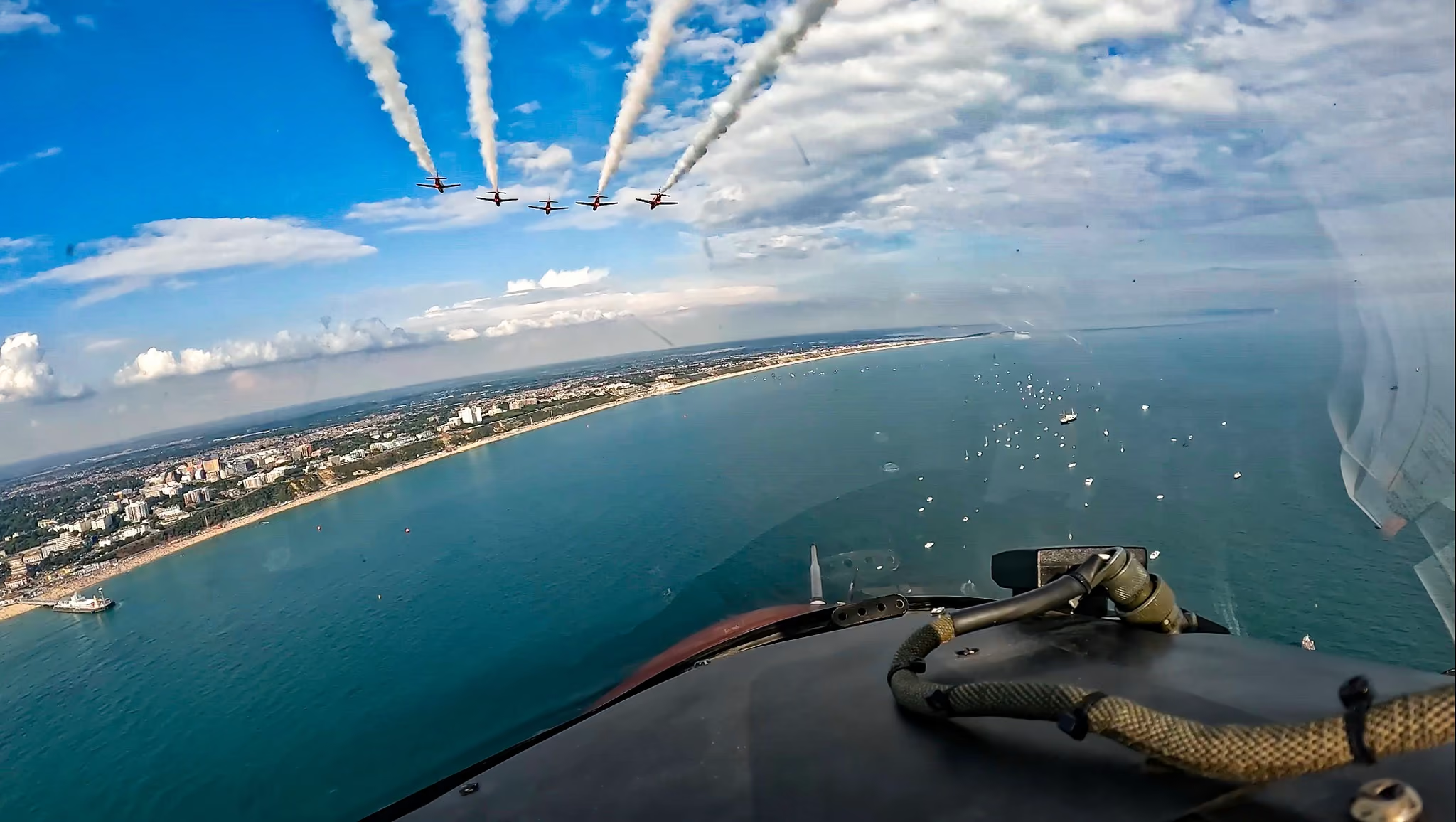
Bournemouth Air Festival – Event Status & Archive
Latest Update: 2026 Event Status
Current Status: Will not return in 2026.
We know that many visitors and aviation enthusiasts are keen for news regarding the Air Festival. Please note: The Bournemouth Air Festival is will not return in 2026 and no news of any developments so far for 2027.
Why is the event paused? Organised by BCP Council, the Air Festival has been a highlight of the UK summer calendar for over 15 years. However, following a review of local council budgets, the difficult decision was made to pause the event to protect public funds. The aim has been to secure a commercial partner to fund and deliver the festival in the future. As the official destination guide for Bournemouth, we will post any news regarding the festival's revival or future dates right here as soon as it is announced.
Stay Updated: Bournemouth remains a premier destination with a packed year-round events calendar. To receive alerts about major festivals, events, and holiday inspiration, Sign up for the official Visit Bournemouth Newsletter.
What is the Bournemouth Air Festival?
For those who have never experienced it, the Bournemouth Air Festival was widely regarded as the UK’s leading seaside aviation event. Since its inception in 2008, the festival has welcomed an incredible 9.25 million visitors to the Dorset coast, cementing its status as one of the most popular free events in the country.
Far more than a standard air show, it was a four-day festival that transformed the coastline into a vast, open-air arena. Unlike ticketed events at airfields, the festival was entirely free to attend, with the action taking place right over the bay. It was renowned for its unique "Land, Sea, and Air" format:
- In the Air: Continuous flying displays from midday to dusk, featuring fast jets, wingwalkers, and historic warbirds.
- On the Sea: A naval spectacle often featuring Royal Navy destroyers, frigates, and amphibious assaults on the beach.
- On Land: 1.5 miles of trading stalls, military villages, and display teams stretching between Bournemouth and Boscombe Piers and along the East Overcliff.
For many, the highlight was the "Night Air" programme - a rare opportunity to see aircraft flying at twilight with pyrotechnics streaming from their wings, followed by live music and fireworks.
A Legacy of Aviation Excellence
While the future of the event evolves, Bournemouth remains proud of its history as the host of the UK's largest free air festival.
The festival is famous for transforming our coastline into a natural "amphitheatre of the bay." Millions of visitors have gathered on our golden sands - stretching from Bournemouth Pier to Boscombe Pier to witness world-class aerobatics, naval power, and evening entertainment.
Highlights from the Archives
The Bournemouth Air Festival was unique in its ability to combine land, sea, and air displays. In previous years, the skies above the bay have played host to an incredible array of aviation history and modern military might.
Iconic aircraft that have graced Bournemouth’s skies include:
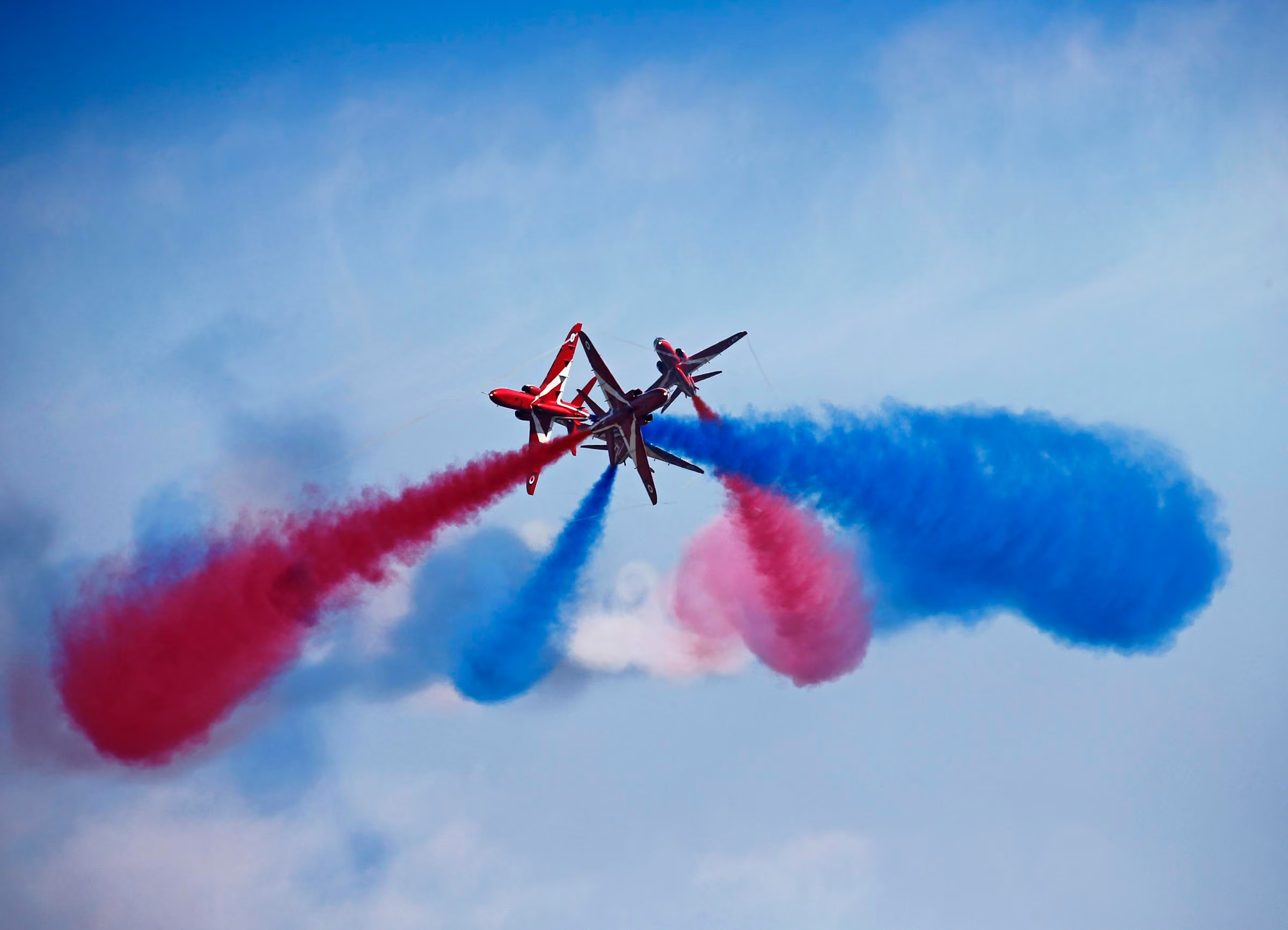
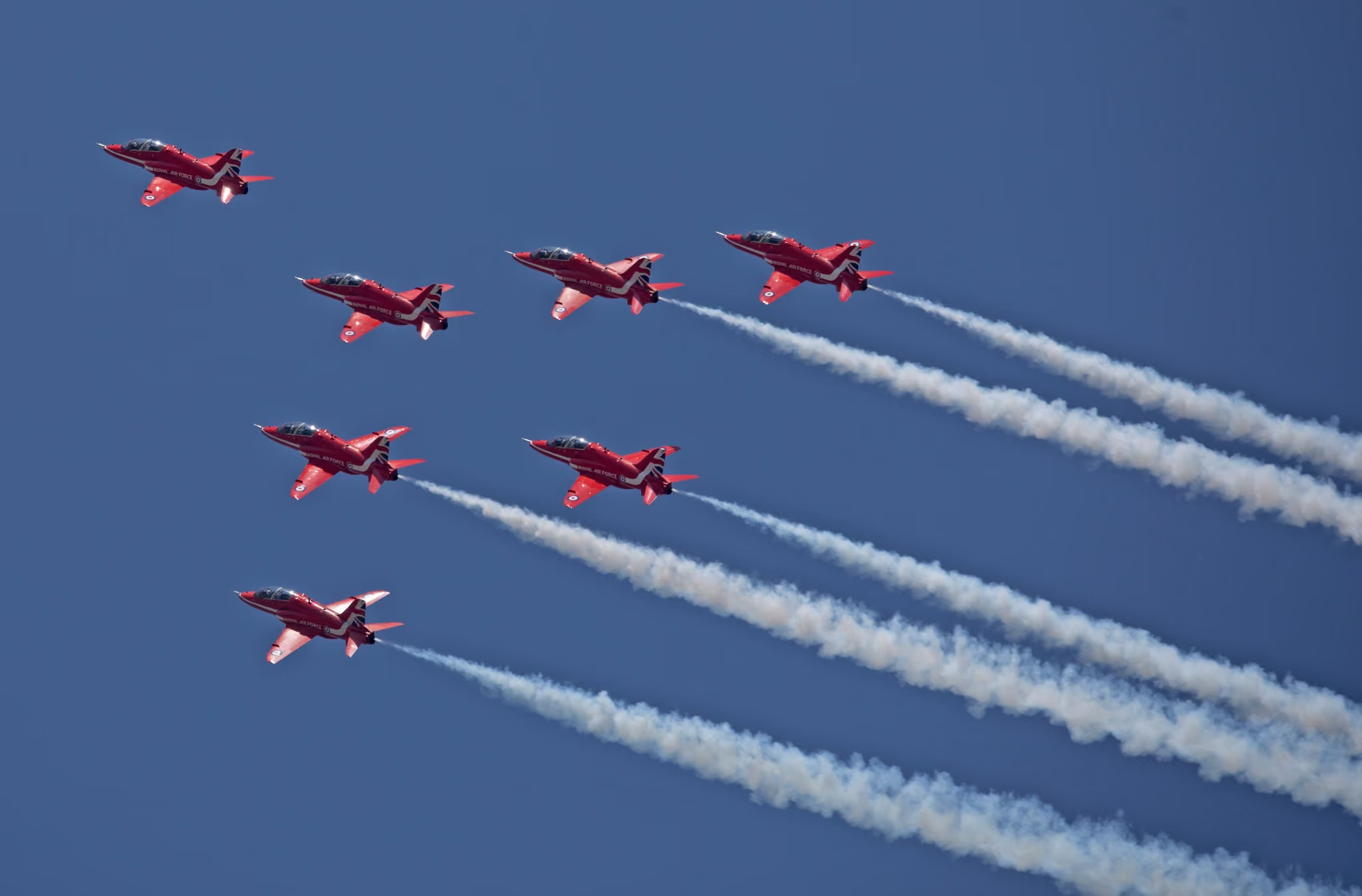
- Modern Military Power: The roar of the Eurofighter Typhoon, the heavy-lift capability of the RAF HC6A Chinook, and the precision of the world-famous Red Arrows.
- Living History: The emotional flypasts of the Battle of Britain Memorial Flight (BBMF) featuring the Lancaster, Spitfire, and Hurricane ("Lest We Forget"), alongside the Supermarine Spitfire MK. XIX, B-17 "Sally B", and the Mustang P-51.
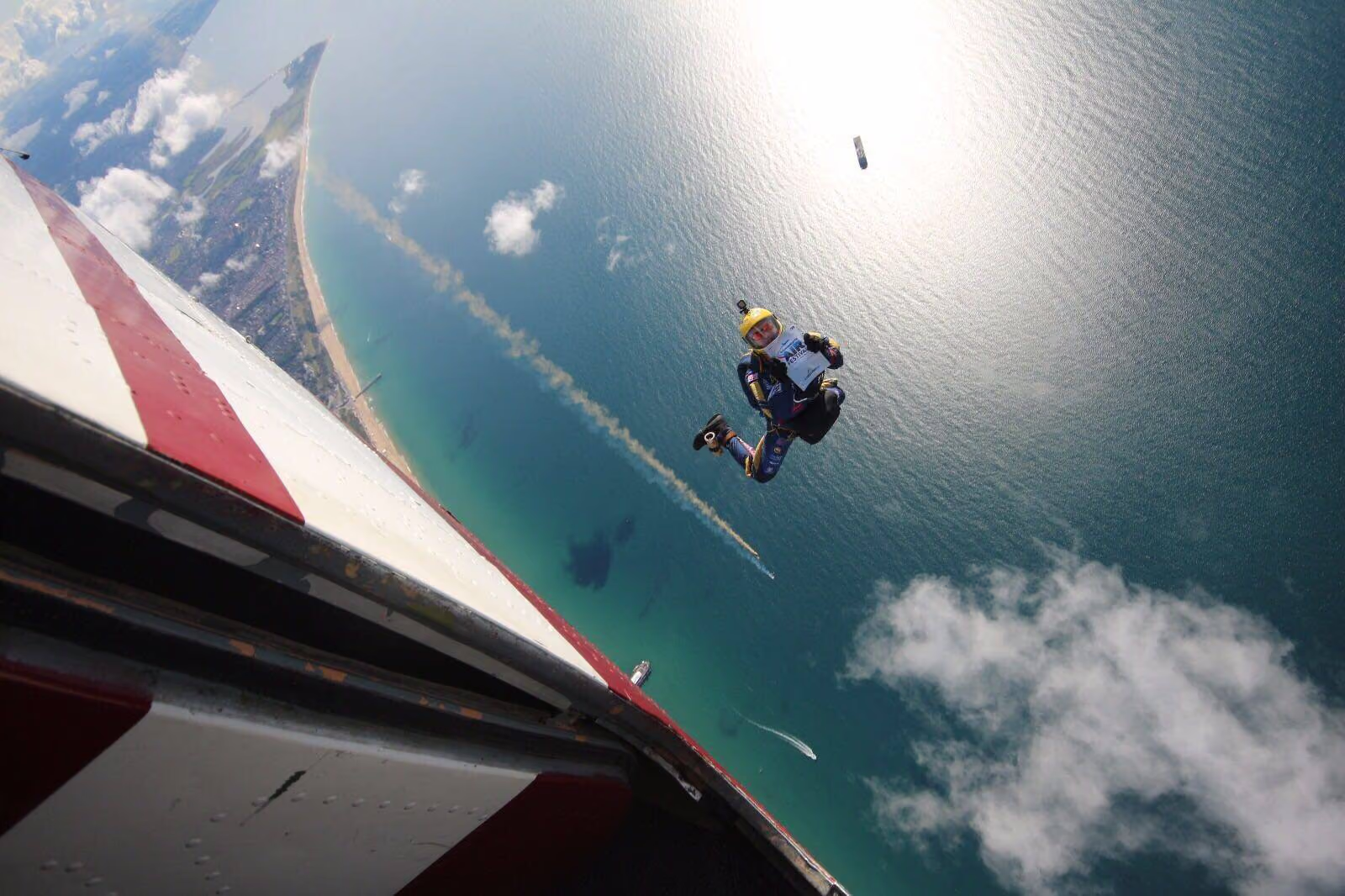
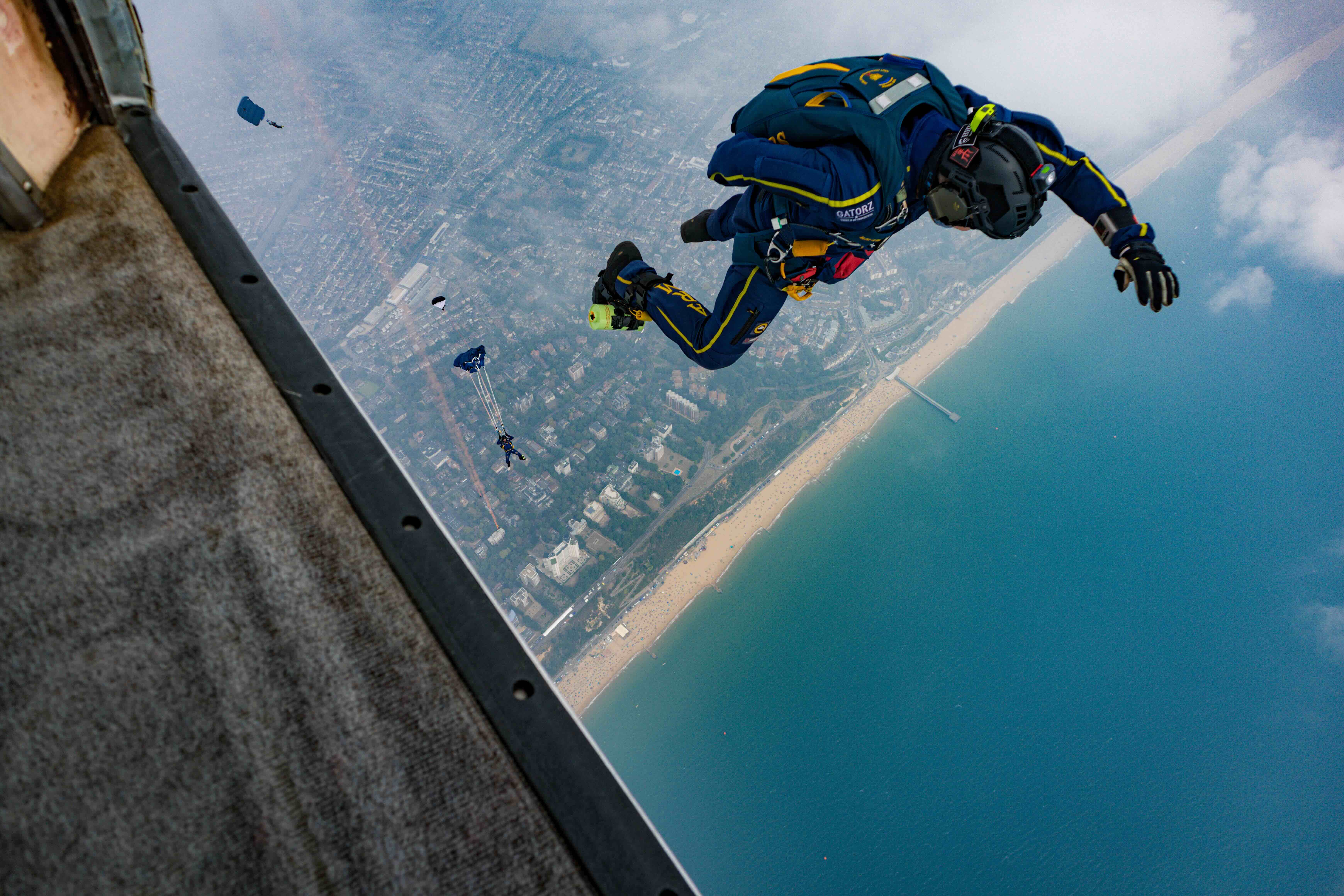
- Civilian & Aerobatic Teams: The high-energy Super Pitts Muscle Bi-Plane, The Tigers Freefall Team, Yakovlevs, T-67 Firefly, AeroSuperBatics Wingwalkers, and the Firebirds.
- Naval Heritage: The WASP HAS1 Helicopter, the Black Cats helicopter display team, and the historic Fairey Swordfish.
Night Air & Naval Villages
Beyond the daytime flying, the festival pioneered the "Night Air" spectacular, featuring pyrotechnic aircraft streaming fireworks from their wings, set against the twilight horizon.
On the ground, the Military Villages provided immersive experiences for families, with the Royal Navy, Army, and Royal Air Force demonstrating equipment, unarmed combat, and STEM innovations. The Naval anchorage in the bay often saw Type 23 Frigates and RFA support ships framing the horizon.

.svg)
.svg)
.svg)
.svg)
.svg)